
In class this past week we have been discussing how television transitioned from analog signal to digital in 2009.
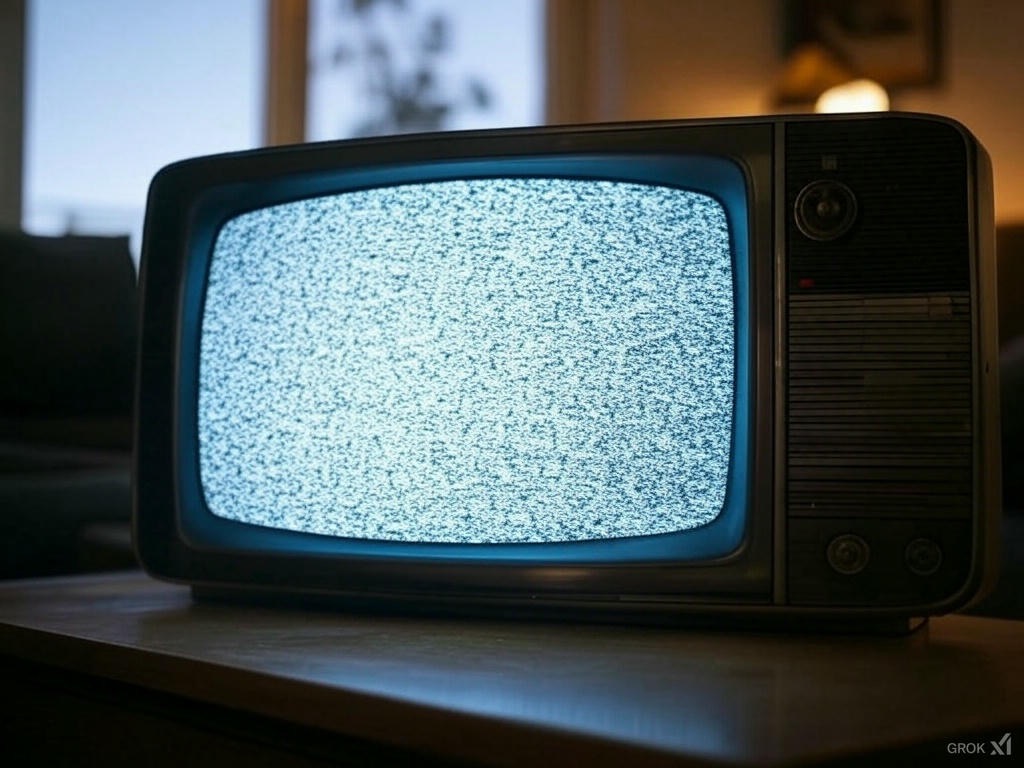
Being born in 2001, I remember being a kid and having an analog TV. It had the “Rabbit Ears” on the top and we would have to adjust them slightly to try to minimize the “snow” on the display. I can still recall the high pitched squeal that the TV would make when it turned on due to the CRT displays.
When Netflix was in its early days, we had a family friend who was subscribed to it. It was not a streaming service in the way that we think about them today. Rather, it was a subscription where you could request movies from their website and they would be mailed to you. Similar to tenting a library book you could have the DVD for a week or so and then you would mail it back and choose a new one. I remember thinking that this was fascinating and so cool that you could choose from such a massive selection of movies. Today Netflix has completely changed the way that we watch movies and shows and is the largest subscription service with over 300 Million paid subscribers.
I was not fully aware at the time when we transitioned to digital signal as I was still rather young. But it is so interesting looking back now on how much technology has changed already in my lifetime. At home now we do not even use satellite television. Rather we have a variety of streaming services which utilize the local wifi network which allows us to watch any show whenever we would like.
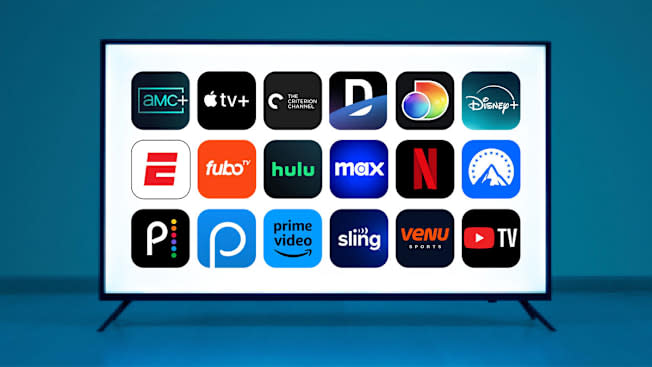
It is always the case that whatever the current technology is seems to be extremely advanced and it is difficult to imagine how it could be improved upon. It isn’t until the next innovation emerges that we are able to look back and see the inefficiencies of the old system.